Oktoberfest at Home: The Bargain Booze Guide to German Beer, Food and Hosting
Munich gets six million visitors and fourteen tents. You get a kitchen, a fridge and a free Saturday. The good news is that hosting Oktoberfest at home needs far less than you think, because the whole thing runs on good beer, generous food and not overcomplicating it.
This guide covers the German beer styles worth knowing, what to serve alongside them, how much to buy per person and the small details that make the day feel properly authentic. No lederhosen required, although nobody will stop you.
Jump To
German Beer Styles Explained
Understanding four styles is enough to build a proper Oktoberfest line-up. Each one does a different job across the day.
Helles and Munich Lager
The classic Oktoberfest beer. Golden, malty, smooth and built for drinking in volume without fatigue. Spaten is the benchmark here, and its history is tied directly to the festival itself. This is the style you drink at midday and keep drinking.
Pilsner
Crisper, drier and more hop-forward than a Helles. Krombacher Pils, Pilsner Urquell and Veltins all sit in this category. Pilsner is the palate-cleanser of the group, brilliant with salty food and a good change of pace after a few maltier beers.
Weissbier (Wheat Beer)
Cloudy, soft, and full of banana and clove character from the yeast. Erdinger and Franziskaner are the two names to look for. Weissbier is the one that surprises people who think they do not like beer, and it pairs exceptionally well with roast pork and sausage.
Czech and Central European Lagers
Not strictly German, but they belong at any Oktoberfest table. Budweiser Budvar and Tyskie bring a slightly different malt character and round out the selection without pushing the budget up.
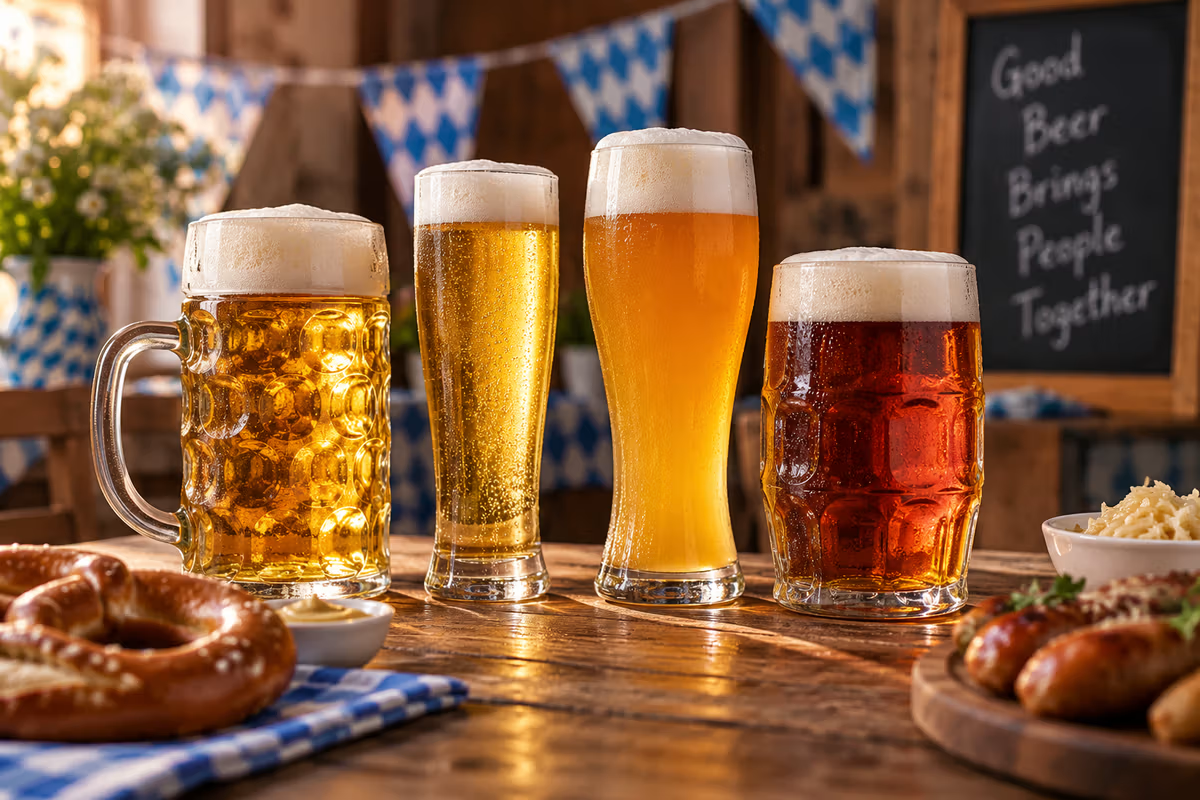
Best German Beers to Buy for Oktoberfest at Home
A good Oktoberfest spread means variety more than volume. Three or four styles across the day beats a crate of one thing.
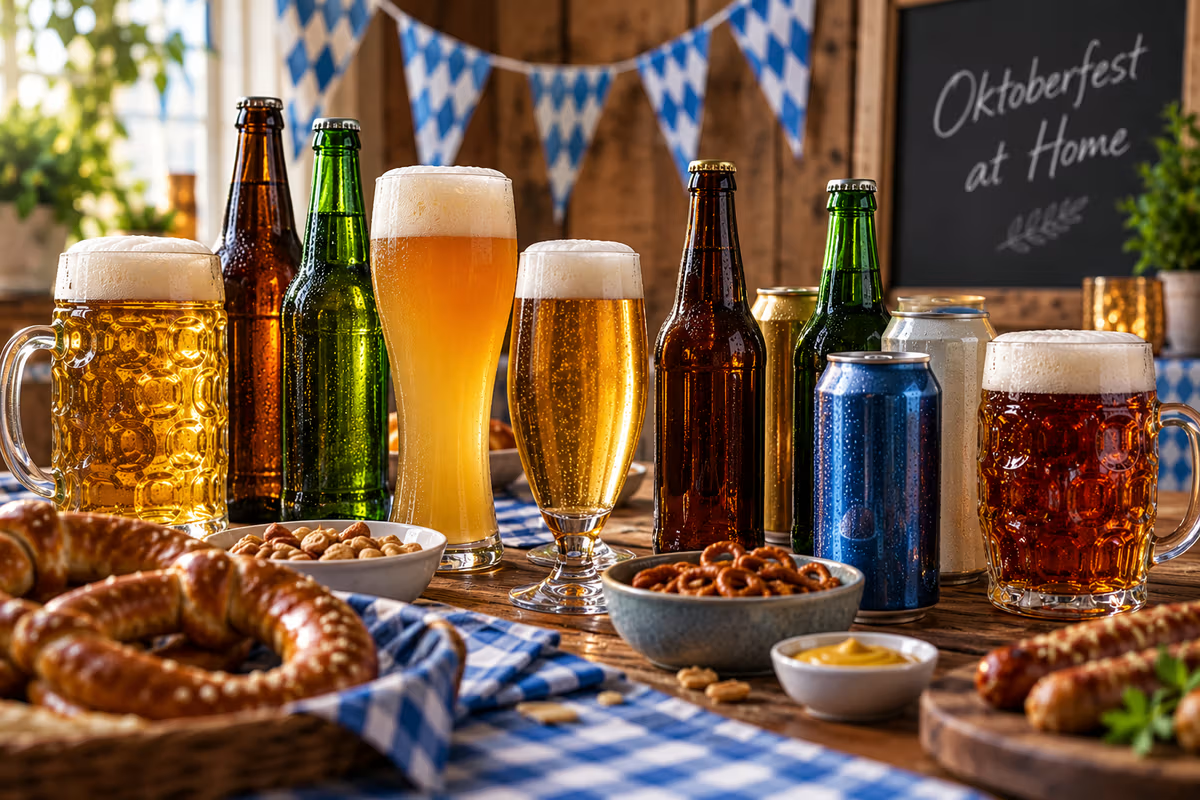
For the classic Oktoberfest pour, Spaten 500ml is the obvious starting point, with Budweiser Budvar 500ml alongside it. Both are widely available and consistently good.
For the pilsner drinkers, Krombacher Pils and Pilsner Urquell in 500ml or 660ml bottles cover the crisp, dry end of the table. Veltins Pilsener in 4x500ml packs is the value option if you are buying for a crowd.
For wheat beer, Erdinger Weissbier and Franziskaner 500ml are the two to have in the fridge. Buy more than you think you need, because these are always the first to go.
For something bigger, Warsteiner and Tyskie come in 650ml and 660ml bottles, which feel appropriately generous for the occasion and pour beautifully into a stein.
Multipacks are almost always better value than singles when you are buying for more than two people. Browse the full beer range at Bargain Booze for current deals.
What to Serve With German Beer
Oktoberfest food is unfussy, generous and designed to keep people going. None of it is complicated.
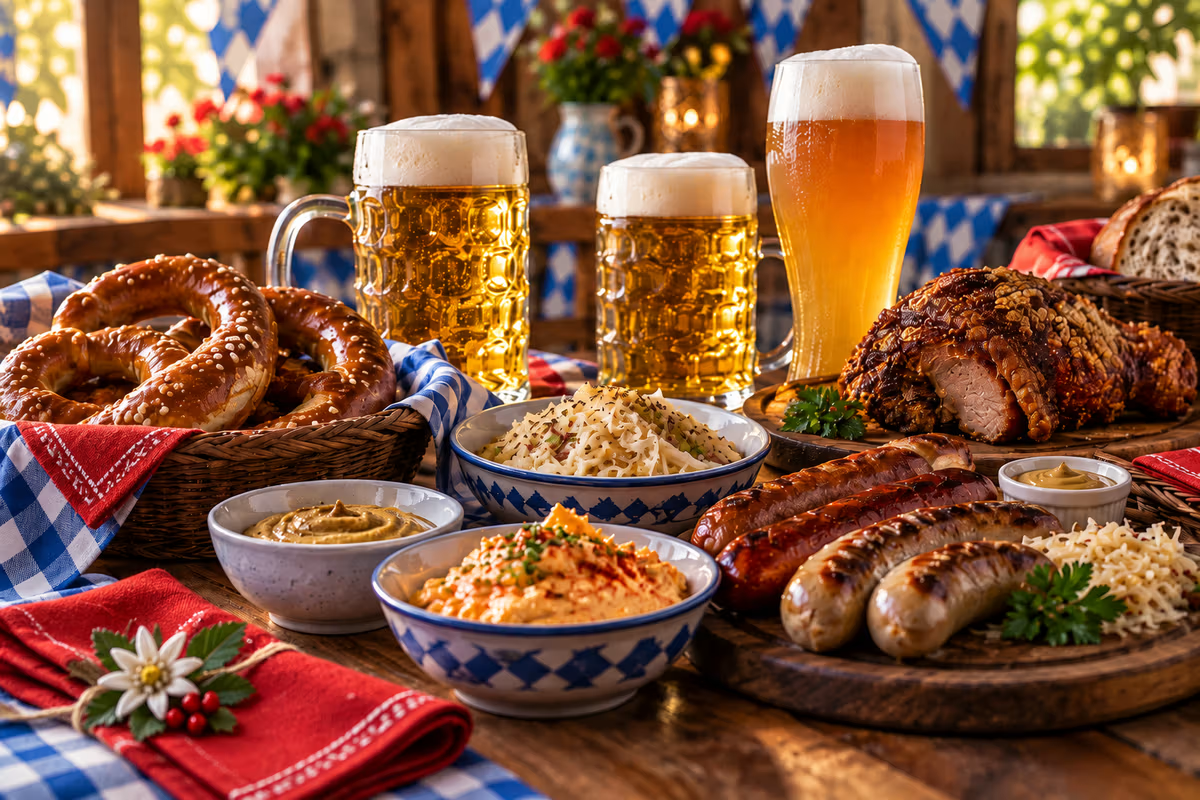
- Pretzels with mustard or a soft cheese dip. Warm them in the oven for ten minutes and they taste freshly baked.
- Bratwurst and sausages, grilled or pan-fried, served in a roll with sauerkraut and plenty of mustard.
- Roast pork with crackling, if you want one proper centrepiece dish.
- Potato salad, the German version with vinegar and mustard rather than mayonnaise.
- Sauerkraut and pickles to cut through the richer food.
- Obatzda, a Bavarian cheese dip made with camembert, butter and paprika. Serve with pretzels or crusty bread.
Pairing is simple. Helles and lager go with everything. Pilsner cuts through salt and fat. Weissbier is the match for pork and sausage.
How Much Beer to Buy Per Person
A rough guide for an afternoon and evening session of five to six hours:
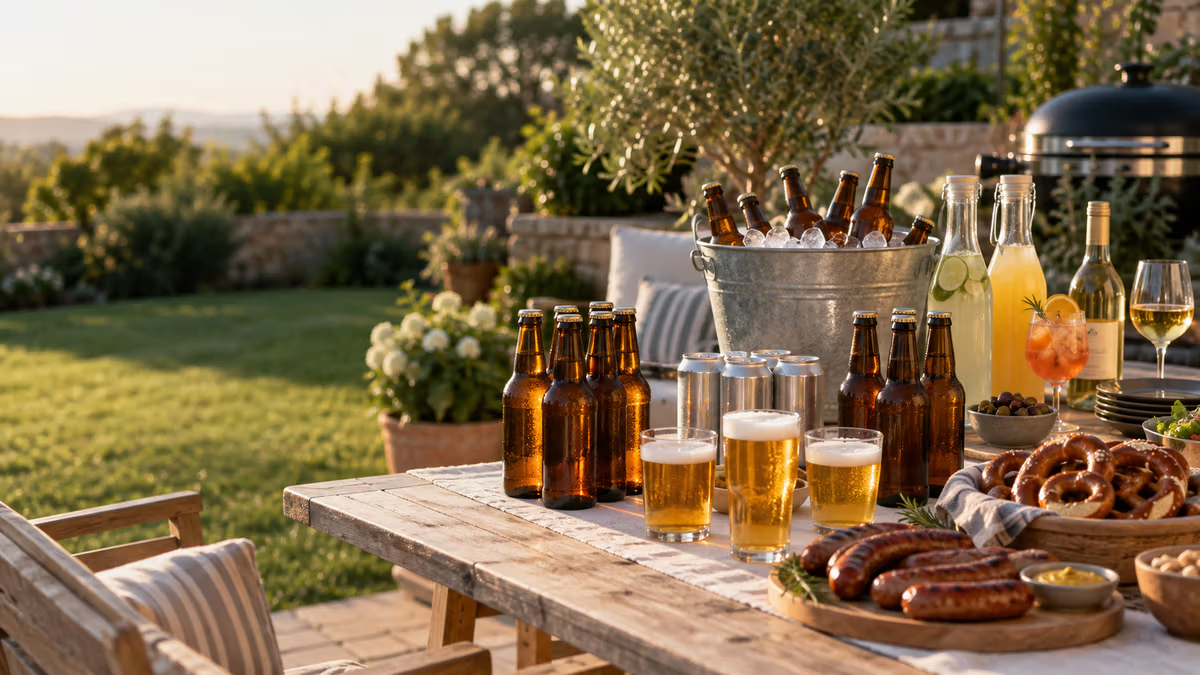
- Committed beer drinkers: 5 to 6 bottles each (roughly 3 litres)
- Moderate drinkers: 3 to 4 bottles each
- Mixed crowd: allow 4 bottles per head and add wine or a cocktail option
- Soft drinks: 1 litre per person minimum
- Food: two sausages and one pretzel per person as a baseline
Round up. German beer keeps perfectly well and the leftovers will not go to waste.
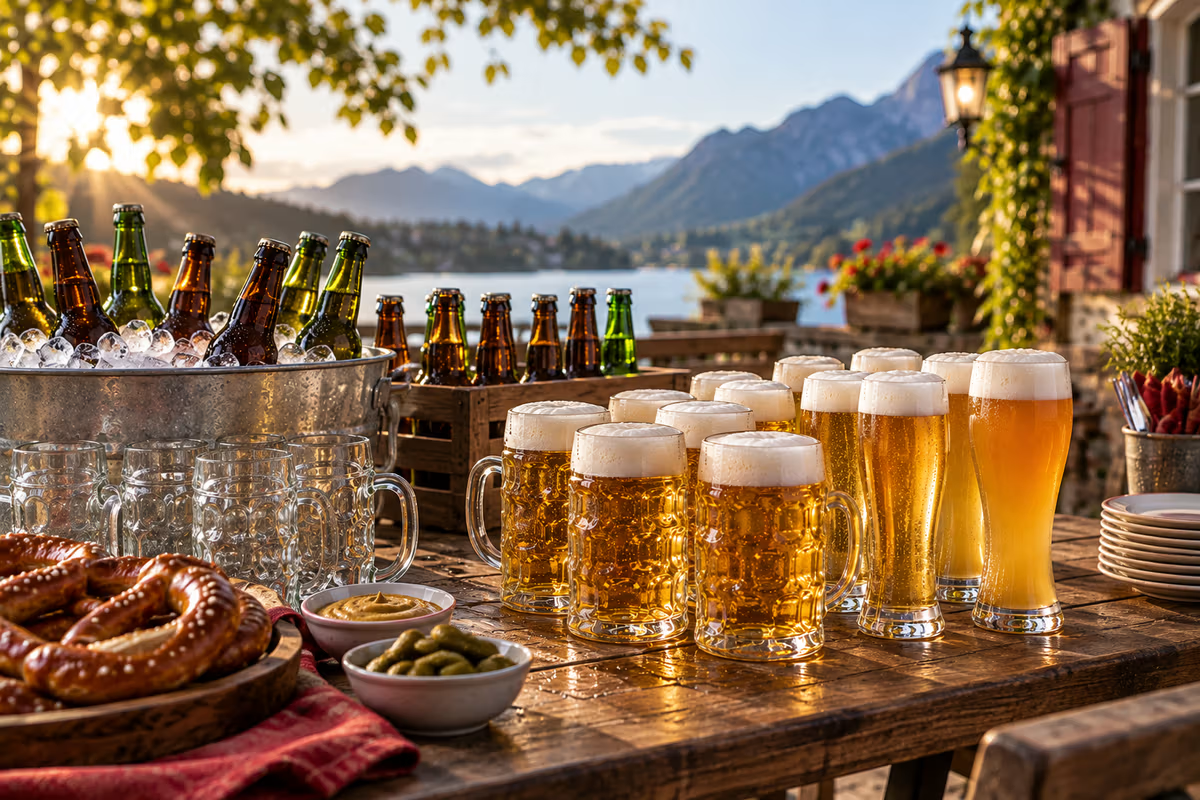
Glassware and Serving
You do not need a cupboard of steins, but a few details make a noticeable difference.
Serve cold but not freezing. German lager is best around 6 to 8 degrees. Straight from a very cold fridge, give it two minutes before pouring.
Pour with a head. Tilt the glass at 45 degrees, pour steadily, then straighten up at the end to build two or three centimetres of foam. The head is not waste, it carries the aroma.
Use tall glasses. A stein is ideal, but any tall glass works far better than a tumbler. Weissbier in particular needs height because the head is generous.
Rinse glasses with cold water first. It stops the foam collapsing and is what every German bar does.
An Autumn Cocktail for the Evening
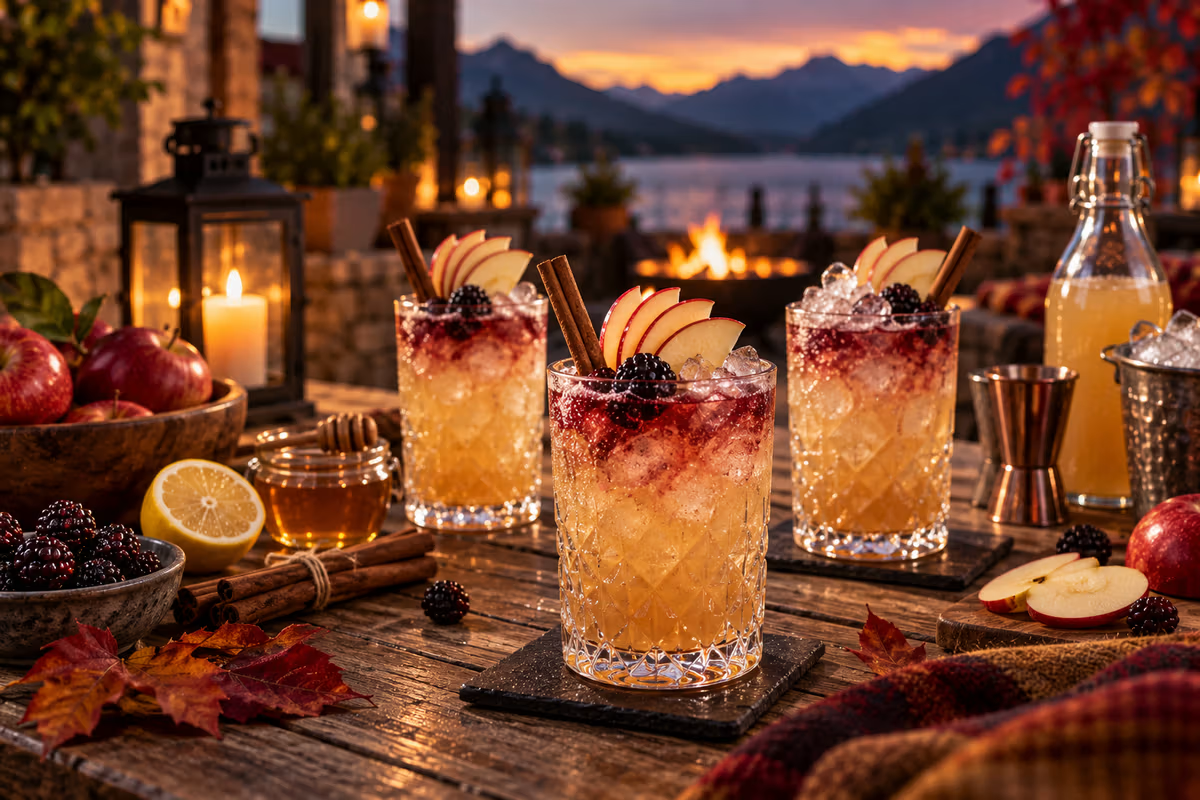
By the time the light goes, most people are ready for something other than beer. The Bavarian Bramble is the natural next step: Sipsmith London Dry Gin with cloudy apple juice, fresh lemon, cinnamon and honey syrup and dry ginger beer, built over ice and garnished with an apple fan and a cinnamon stick.
It takes two minutes, needs no shaker and carries the same warm, spiced autumn character as the food. Full recipe in the Booze Bar.
Oktoberfest at Home FAQs
What beer is served at Oktoberfest?
Only six Munich breweries are permitted to serve at the official festival, and they pour a Marzen or Festbier style, a malty amber lager brewed slightly stronger than standard. At home, a Helles or Munich lager such as Spaten is the closest and most widely available equivalent.
What is the difference between weissbier and lager?
Weissbier is brewed with a high proportion of wheat and a distinctive yeast that produces banana and clove flavours. It is cloudy and soft. Lager is brewed with barley malt, fermented cold, and is clear, crisp and cleaner tasting.
How much beer should I buy for an Oktoberfest party?
Allow 5 to 6 bottles per committed beer drinker across a five to six hour session, or around 4 bottles per head for a mixed group.
What food goes with German beer?
Pretzels, bratwurst, roast pork, potato salad, sauerkraut and Obatzda cheese dip. Salty, rich and shareable is the rule.
When is Oktoberfest?
Despite the name, Oktoberfest runs from mid to late September through the first weekend of October. The dates shift slightly each year.
Do I need special glasses for Oktoberfest at home?
No, but a tall glass makes a real difference to both the pour and the aroma. A stein is a nice touch if you have one.
Where can I find German beer deals near me?
Use the store locator at bargainbooze.co.uk/store-locator to find your nearest store, or browse the latest deals online.